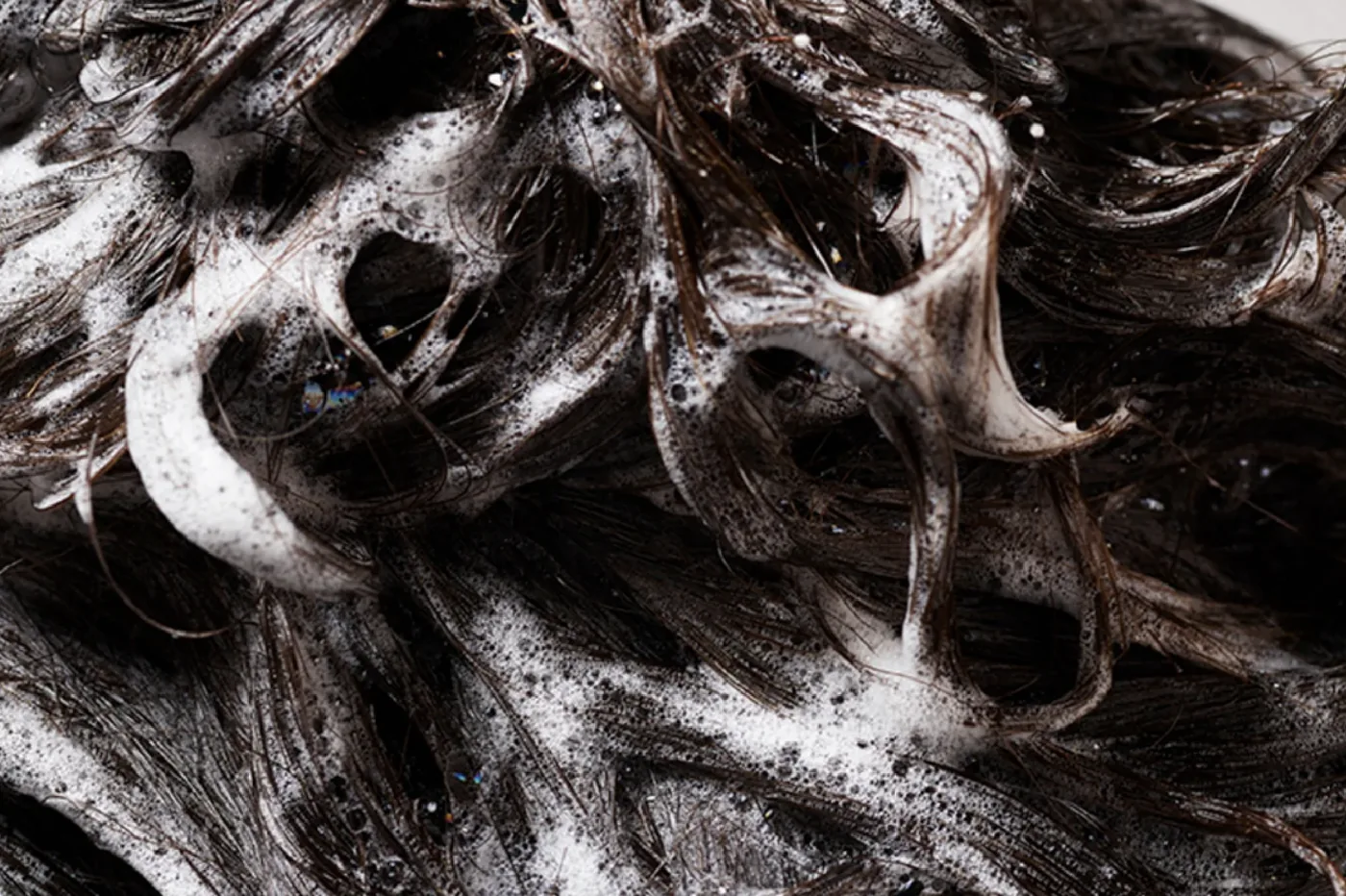
Here's the rule of thumb I give every male client who sits in my chair: cleanse your scalp, condition your hair.
That's it. That's the whole game. And if you understand it, most of the frustration you have with your hair (the bad days, the flatness, the weird gummy feeling after washing, the thinning at the hairline) starts to make sense.
I've been doing hair in downtown Los Angeles since 2009, and I built Park & Eve to specialize in exactly this. Most men are doing three things wrong with their hair care routine, and they don't know it because nobody has taught them. That ends today.
Here's the honest answer to how often you should wash your hair, why the cheap stuff you grabbed at the drugstore might be causing the problems you're trying to fix, and the products and routine that will finally give you the consistent results you've been chasing.
Why Scalp Health Matters (Especially for Men)
Your scalp is skin. Treat it like skin.
Here's the analogy that clicks for most guys: a follicle is a pore, and a pore is a follicle. Same thing. If a pore on your face is clogged or can't breathe, you break out. If a follicle on your scalp is clogged or can't breathe, how is the hair growing out of it supposed to survive? It can't. That's how thinning starts. That's how texture problems start. That's how bad hair days become the default.
You wouldn't wash your face with dish soap. You wouldn't skip washing your face for a week and expect your skin to look great. But most men treat their scalp like an afterthought and wonder why their hair looks inconsistent.
Here's what I look for when a new male client sits in my chair: product buildup along the hairline, oily patches at the crown, dry flakes throughout, and thinning at the hairline, temples, or crown. Every one of those tells me something about the routine.
The most common issues I see in men are scalps covered in dead skin buildup from improper washing routines, frizzy and broken hair from washing daily with harsh shampoo, thinning hair from clogged follicles that can't breathe, and hair that always seems somehow dirty and unruly no matter what you do. Every one of those has a root cause. Every one of those is fixable.
There's also the Los Angeles factor. LA has hard water, which means the water coming out of your shower is loaded with minerals that build up on your scalp and coat every strand of hair. Combined with sweat, sunscreen, product buildup, and pollution from daily DTLA life, those follicles are working overtime just to keep functioning. Every clogged follicle is a hair strand fighting to survive.
Why does any of this matter? Because scalp issues left unaddressed lead to thinning, breakage, and the low-grade daily hair frustration most men have just learned to accept as normal.
The Investment Argument (Read This Before You Buy Another Drugstore Shampoo)
I know what you're thinking. Fancy products cost more, and you're not sure they're worth it. Let me give you three reasons they are.
First, professional-grade lines like Oribe use skincare-grade ingredients. That's not marketing. Cheap drugstore shampoos are diluted with water and packed with filler ingredients. Professional lines deliver higher concentrations of the actives that actually do the work.
Second, cheap products often contain ingredients with documented adverse effects on scalp and hair health. This isn't fringe theory. Multiple major drugstore hair care brands have faced or settled class-action lawsuits alleging their products caused hair loss and scalp damage. TRESemmé, OGX, and Suave are among the brands named in these lawsuits, with allegations centered on ingredients like DMDM hydantoin, a preservative that releases formaldehyde. This is documented, ongoing litigation. When I tell clients to invest in professional-grade products, this is a real reason why.
Third, do the math. A $50 bottle of Oribe cleansing cream that lasts you four months costs less per use than a $12 drugstore bottle you burn through in three weeks. The cheap stuff is packed with water, so you use way more product per wash. You're not saving money. You're just paying it more often, and getting worse results while you do it.
Invest a little more today and save in the long run. Your scalp, your hair, and honestly your dignity in the mirror will thank you.
So How Often Should You Actually Wash?
Here's where most men have been given bad advice.
The most common mistake I see is skipping days entirely, treating washing as a chore, and thinking "less is more" is universally correct. It's not.
The real question isn't how often. The real question is what you're using.
If you're washing with a harsh sulfate shampoo, your scalp and hair are being stripped every single time. The scalp responds by overproducing oil, which makes your hair greasier faster, which makes you feel like you need to wash more, which strips the scalp more. That's the cycle. Plus your hair ends up dry, full of flyaways, and just won't cooperate.
If you're using a gentle, professional-grade cleanser, that cycle breaks. You can wash more often without stripping your scalp. Your hair stays cleaner between washes because the scalp isn't producing extra oil to compensate. You never have to deal with the day-one "too clean, unruly, won't-do-what-I-want" hair problem.
My recommendation for most men: use the right cleanser and stop worrying about frequency. If you work out, commute in LA heat, or wear hats regularly, you need to cleanse more often, and that's fine as long as you're using a product that respects your scalp.
Why Your Hair Feels Gummy After Water Alone
This is the one that surprises everyone.
Ever notice that when you rinse your hair with just water in the shower (no shampoo, no conditioner), it somehow feels worse than when you started? Weak, stretchy, gummy, unmanageable?
Here's what's actually happening. The pH of water is high enough to open the cuticle of your hair. Once the cuticle is open, water enters the cortex, which is the inner shaft of the strand. The cortex swells with that water and traps it inside. The result is hair that feels stretchy and gummy and behaves badly.
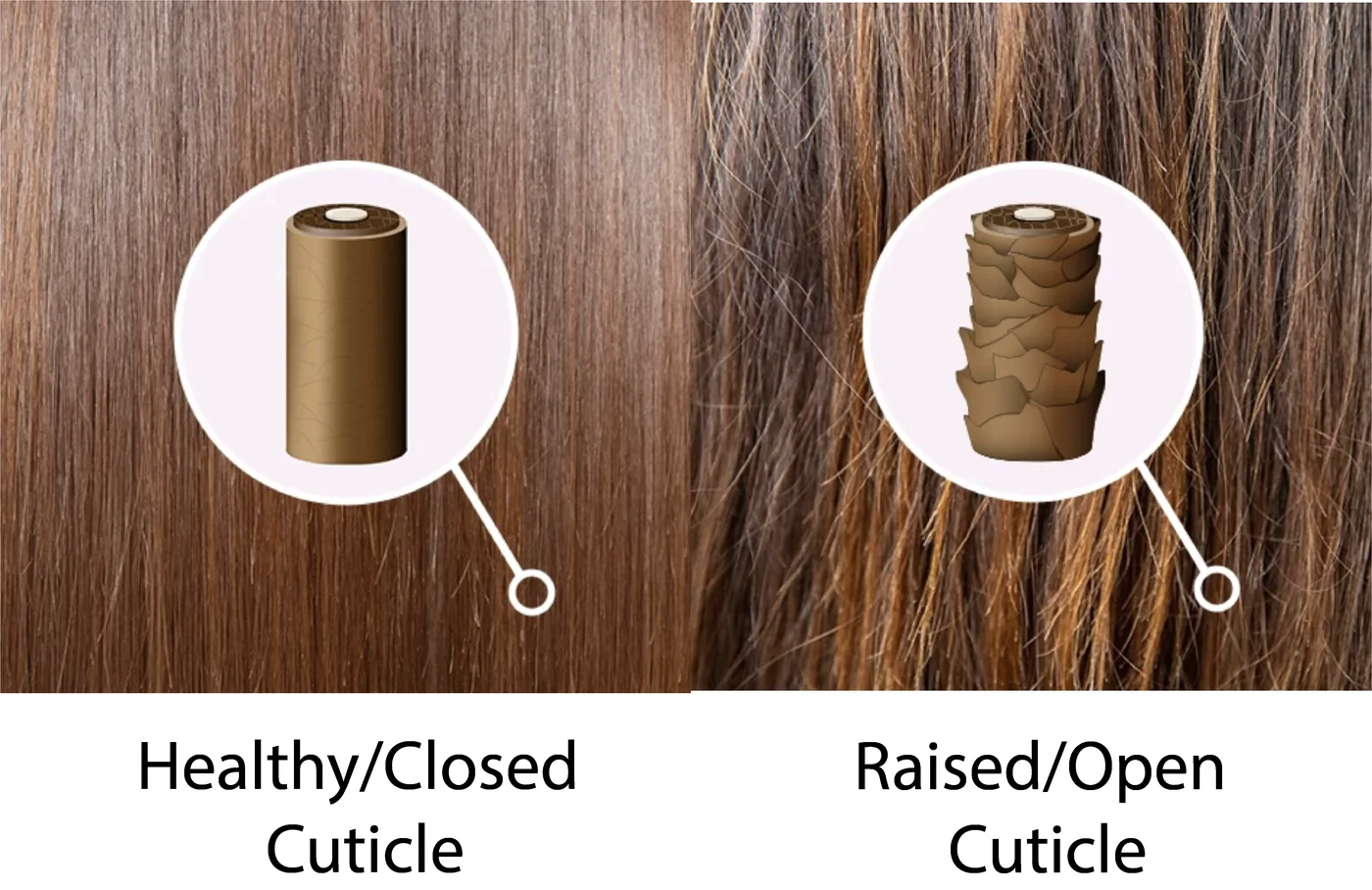
Proper cleansing and conditioning close the cuticle back down, seal the strand, and leave your hair in a stable state. That's why rinsing with water alone is worse than washing properly. And that's why the products you choose matter.
The Products That Actually Work
Here's the routine I recommend for most men.
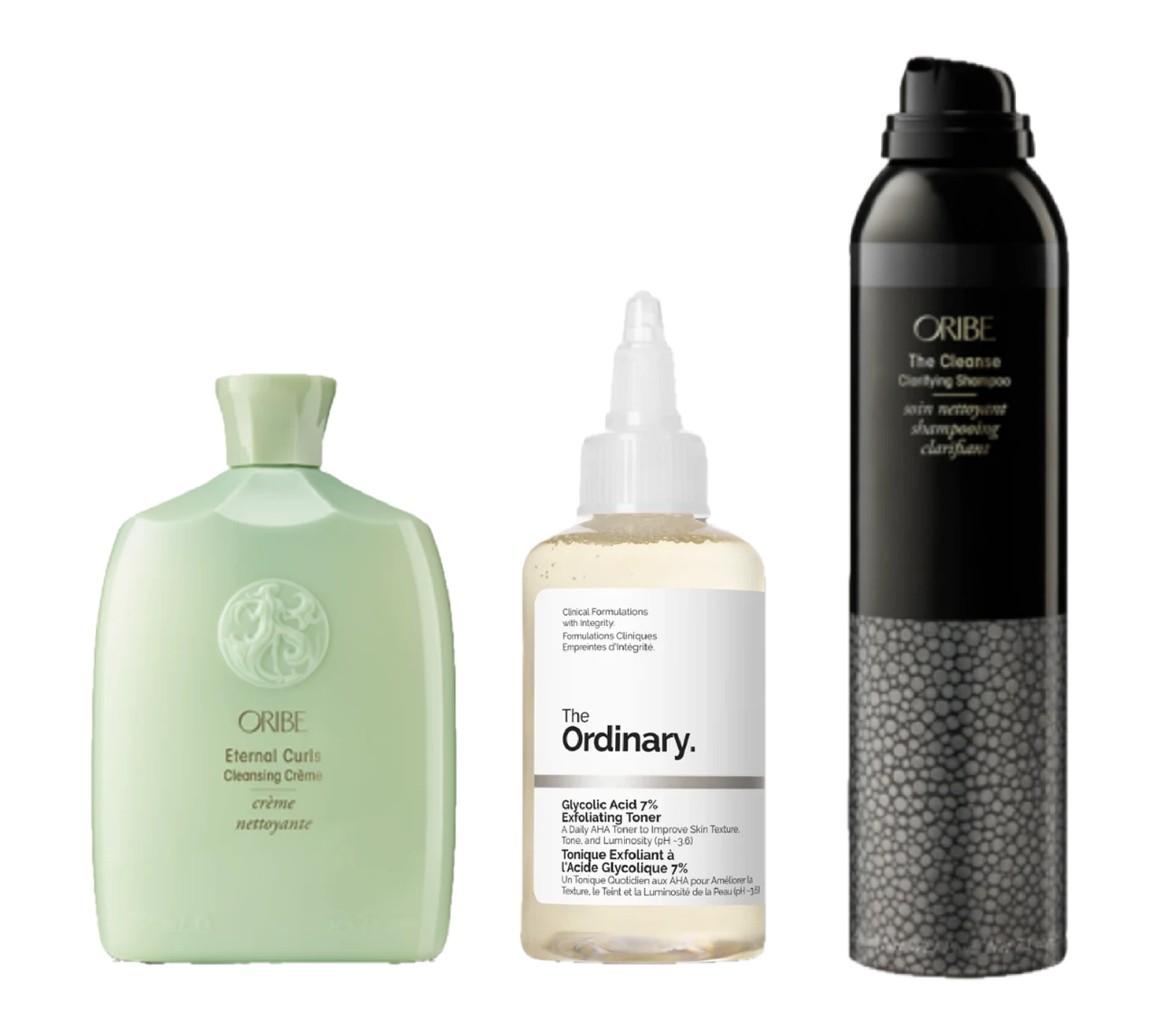
Daily: Oribe Cleansing Crème for Moisture & Control
This is your workhorse. Gentle, sulfate-free, and safe to use daily (even multiple times a day if you need it).
Here's the technique most men get wrong. You need to be generous. This isn't a normal shampoo where a dime-sized dollop is enough. Your hair needs to feel completely coated and slimy when you're working it in. Then, and this is the part that changes everything, use your fingertips to actually manipulate and exfoliate the scalp. Not your palms. Not a quick rub. Your fingertips, working across every part of your scalp for at least 60 seconds.
That's how you actually cleanse. And once you've experienced how your hair feels after using cleansing cream this way, you won't go back.
Pro tip: keep a second bottle in your gym bag. Once you've committed to the routine, you don't want to be stuck with hotel shampoo undoing your progress.
Weekly: The Ordinary Glycolic Acid 7% Exfoliating Toner
This is one of the best-kept secrets in scalp care. It's an affordable skincare product from The Ordinary that's officially recommended for use on both face and scalp. Applied to the scalp once a week before shampooing, it exfoliates buildup, rebalances the scalp, and reduces dryness. It's the same category of active ingredient dermatologists use for skin exfoliation, and it's the closest thing to a professional scalp treatment you can buy without a prescription. Available at Sephora, Ulta, and theordinary.com.
Monthly: Oribe Cleanse and Prep Shampoo
Once a month, or after a heavy stretch of gym days or product buildup, use Oribe Cleanse and Prep for a deeper reset. It clarifies without compromising the scalp barrier the way harsh clarifying shampoos do. Think of it as your monthly scalp detox. This step can be followed by conditioner or the cleansing cream, depending on what your hair needs that day. Everything else in your routine works better because of it.
Styling Products
I'm not going to give you a blanket styling product recommendation because every man's hair, lifestyle, and desired look is different. What I will tell you: your stylist should be your first stop for narrowing down the right products for you.
Same investment rule applies. Cheap styling products are packed with water and filler. You use more per application, they don't hold, and the results are inconsistent. Professional-grade products (like the Oribe styling line) deliver more product per use and give the kind of predictable finish you're actually paying for.
The Routine
Simplified for easy reference:
- Daily: Oribe Cleansing Crème for Moisture & Control (be generous, use fingertips, work the scalp)
- Weekly: The Ordinary Glycolic Acid 7% Toner on the scalp before your cleansing routine
- Monthly: Oribe Cleanse and Prep Shampoo for a deep detox
- Conditioner: Apply to mid-lengths and ends only, never the scalp
- Styling: Consult your stylist for products that match your hair and your look
Great Hair Isn't About Doing Less
Great hair is about doing the right things consistently.
The rule of thumb again: cleanse your scalp, condition your hair. Choose products that respect your skin (because your scalp is skin). Understand what's happening to your hair when water hits it. Invest in quality products that actually work.
Your routine is 80% of the game. The other 20% is the right cut, dialed in to your face shape, your hair pattern, and how you actually live your life. That's what your stylist is for.
Ready to level up? Book a men's cut at Park & Eve. We're located on the sixth floor of a historic building in the Historic Core of downtown Los Angeles. Want the full breakdown of how we approach men's hair? See our men's haircut service page.